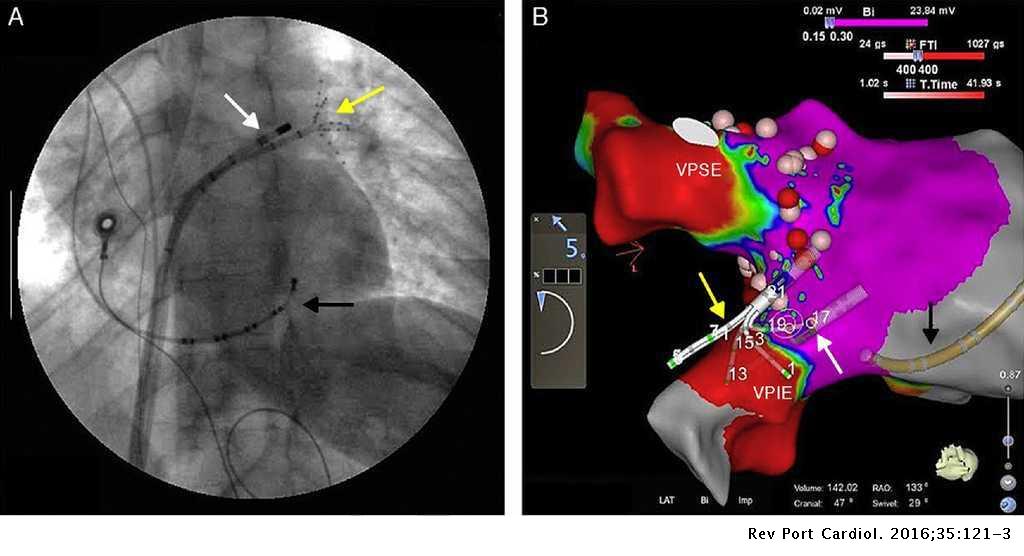


Electrophysiological study (EPS or EFD) is an interventional procedure in which the diagnosis of diseases related to the conduction system of the heart is made. In general, EPS is performed in two groups of patients.
In order to understand whether there is a real rhythm problem in patients who present with palpitations, who cannot be diagnosed with electrocardiography (ECG) and holter, or whose palpitations cannot be detected.
For locating the problematic electrical area in patients who have rhythm problems with EKG or Holter and are planned for ablation.
In patients with heart failure and we want to determine whether they have a predisposition to dangerous rhythm problems
In the group of patients we want to know whether the electrical system of the heart contributes to the fainting (syncope) patient group
EFC is performed in the angiography laboratory with catheters inserted into the heart through tubes placed in the inguinal region under local anesthesia. In about half an hour, it can be determined whether there is an abnormal electrical structure in the heart that causes rhythm problems, and if there is, its location. Our patients, who do not have a rhythm problem during palpitation, but whose tests are normal, usually receive panic attack treatment unnecessarily in psychiatry clinics. We recommend this procedure with very low risks in these patient groups where we have difficulty in diagnosing.
Electrophysiological study is an interventional examination that provides a detailed examination of the electrical system of the heart and the rhythm-related problems arising from this system.